
Post-Infestation Cleaning in Sheffield: What Happens After Pest Control Finishes

Post-Infestation Cleaning in Sheffield: What Happens After Pest Control Finishes
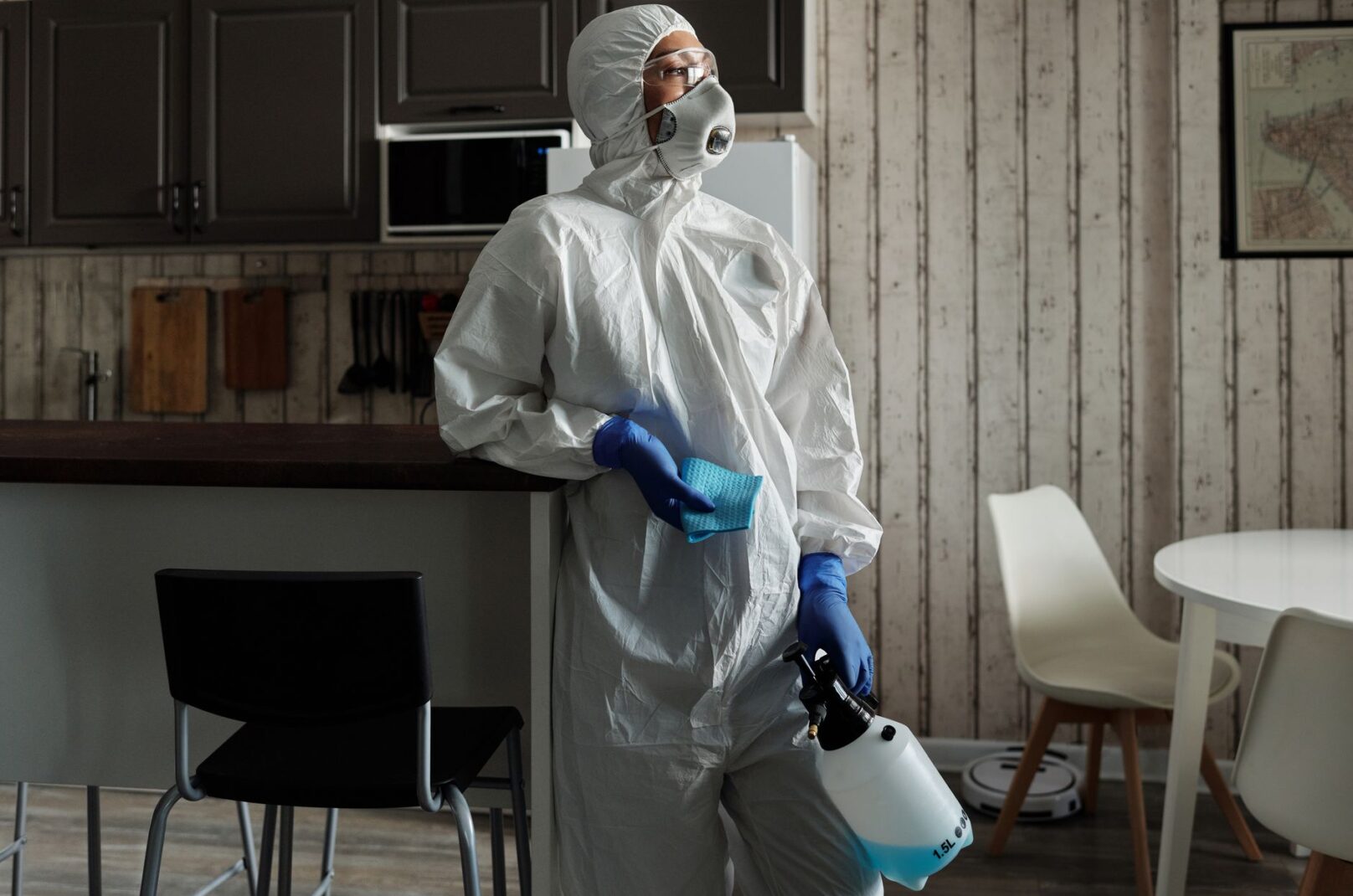
Post-infestation cleaning involves safely removing droppings, nesting material and contaminated debris, then disinfecting all affected surfaces to a clinical standard. Pest control removes the animals — the clean-up work that makes your property safe again is a separate job, and it needs to be done properly.
Pest control solves the infestation. It does not clean up after it. Once the rodents, cockroaches or other pests are gone, what’s left behind — droppings, urine trails, nesting material — can still make you seriously ill if it isn’t dealt with correctly.
This guide explains what professional decontamination and infestation cleaning in Sheffield actually involves, why a standard domestic clean isn’t enough, and how No1 Dream Clean handles these jobs across the city.
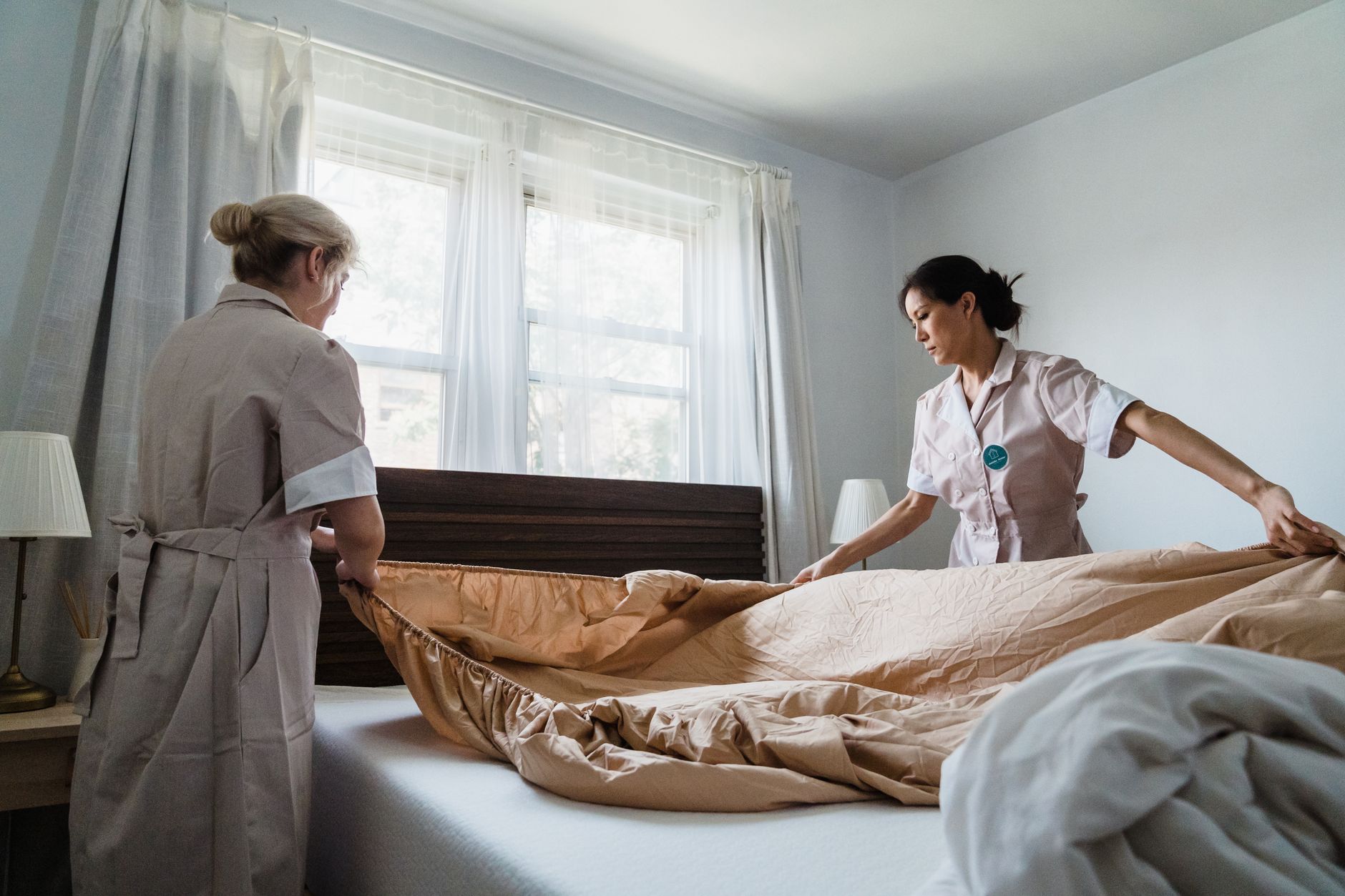
Post-infestation cleaning requires full PPE and clinical-grade disinfectants — standard domestic products are not sufficient.
Why Post-Infestation Cleaning Is Different
Rodent droppings and urine contain pathogens that survive on surfaces long after the animals are gone. Leptospirosis (Weil’s disease), spread through rat urine, carries a case fatality rate of up to 10% in severe cases — and it doesn’t require direct contact with an animal. Dried urine particles become airborne when disturbed, which means hoovering rodent droppings with a standard vacuum cleaner is actively dangerous.
Cockroach frass (droppings and shed skin) is a known asthma and allergy trigger. Fleas left after a pet infestation can survive for months without a host. In every case, the contamination is not visible once the physical debris is removed — which is why surface disinfection to a verified standard matters, not just a wipe-down with off-the-shelf sprays.
Professional disinfectants used for post-infestation work are certified to EN 1276 (bactericidal suspension test) or EN 13697 (non-porous surface disinfection). These standards confirm a product actually kills pathogens at the concentrations used — not just reduces them. Off-the-shelf sprays rarely meet either.
What the Cleaning Process Involves
A professional post-infestation clean follows a set sequence. Rushing any stage carries forward contamination from the previous one.
1 — Containment and PPE
Before any debris is moved, all operatives suit up: disposable overalls, FFP3 respirators (not surgical masks), nitrile gloves and eye protection. High-risk areas may be temporarily sealed to prevent cross-contamination.
2 — Safe Debris Removal
Droppings, nesting material and dead pests are collected using HEPA-filtered vacuums — or dampened first to prevent airborne particles — then double-bagged as clinical waste. Standard vacuums recirculate airborne particles and must not be used.
3 — Surface Disinfection
All contaminated surfaces are treated with EN 1276-certified disinfectants with appropriate dwell times. This includes flooring, wall cavities, loft insulation where treatable, kitchen surfaces, pipework and service runs.
4 — Odour Treatment
Rodent urine has a persistent smell that survives normal cleaning. Specialist odour neutralisers — not masking agents — are applied to affected areas. In severe cases, thermal fogging is required to reach porous materials.
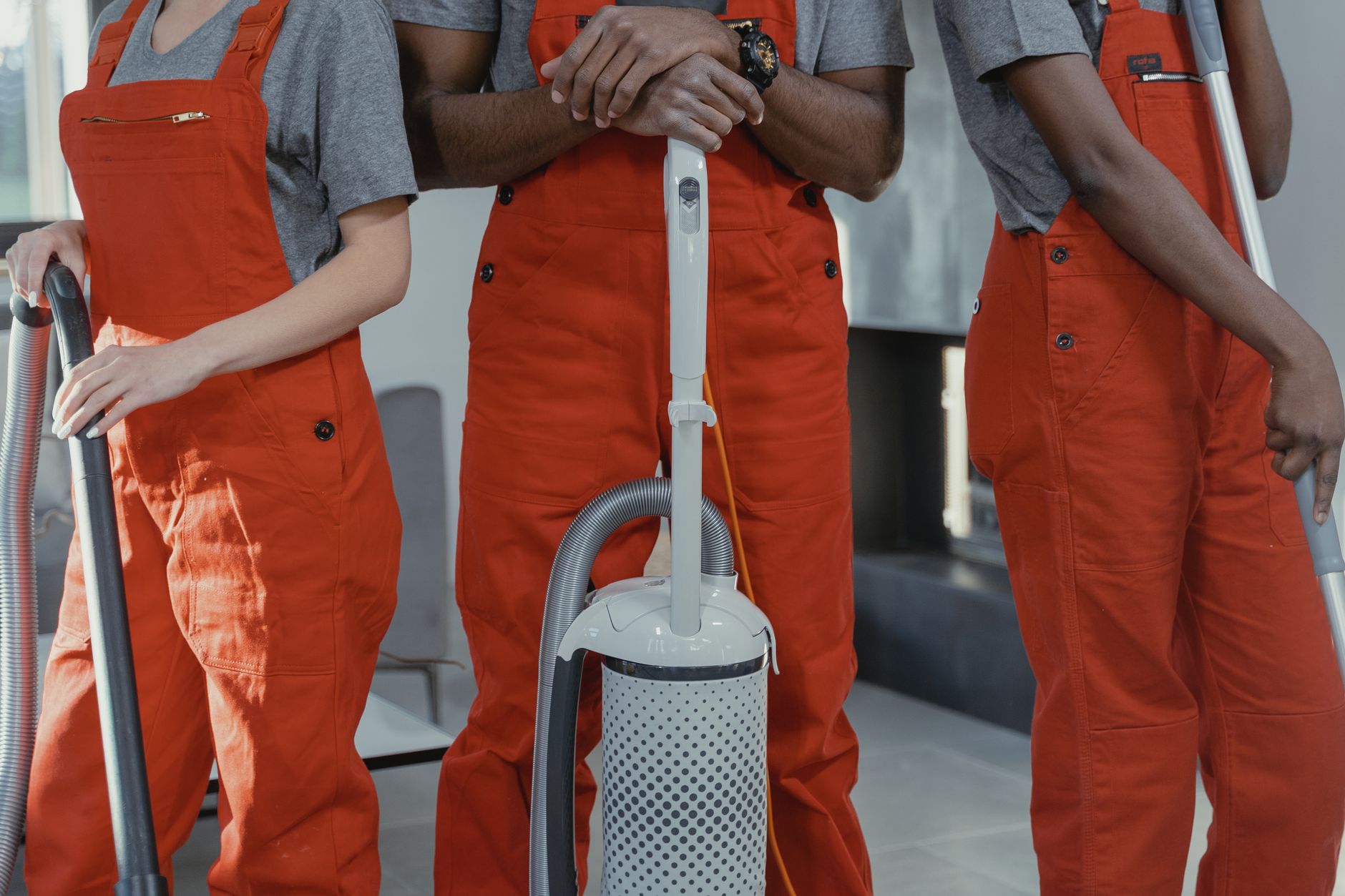
HEPA-filtered equipment is essential during debris removal to prevent airborne contamination spreading to adjacent rooms.
What Gets Cleaned and What Gets Replaced
Not everything can be safely cleaned after a severe infestation. Some materials absorb contamination in a way that makes them unsafe to retain regardless of surface treatment.
| Material | Typical Outcome |
|---|---|
| Hard flooring (tile, laminate, vinyl) | Cleaned and disinfected |
| Carpet — light contamination | HEPA vacuum + enzyme treatment |
| Carpet — heavy contamination | Safe removal recommended |
| Loft insulation with rodent runs through | Replace — cannot be fully treated |
| Kitchen units — hard surfaces | Cleaned and disinfected |
| Soft furnishings | Assessed individually |
| Mattresses with visible contamination | Disposal recommended |
If you’re dealing with a situation that goes beyond a standard clean — for example a property also requiring an extreme or hoarder clean alongside infestation remediation — the process is more involved but follows the same principles of safe containment, thorough removal and verified disinfection.
How Long Does It Take?
For a typical domestic property in Sheffield, a post-mouse or post-rat clean usually takes 3–6 hours depending on how many rooms were affected and the extent of contamination. A loft-focused job is usually at the shorter end; ground floor kitchens or multi-room jobs take longer. We give you a realistic timeframe before we start — not a vague estimate that slides when we get there.
Do You Need Pest Control to Finish First?
Yes. We won’t clean a live infestation — it’s unsafe and contamination continues while animals are present. Your pest control company should confirm the infestation is controlled before we begin. Allow 48–72 hours after the final pest control visit before booking a clean, to let any remaining bait do its job.
If you’re unsure where you are in that process, call us and describe what’s happening. Understanding what a professional deep clean includes can also help you work out what level of clean you need once the infestation is resolved.
We cover all Sheffield postcodes — S1 through to S36 — including Rotherham and wider South Yorkshire. For properties in the south-east of the city like Mosborough (S20) or across the border in Eckington (S21), same-day or next-day attendance is usually possible with reasonable notice.
Common Questions About Post-Infestation Cleaning
How long does post-infestation cleaning take?
For a standard Sheffield property, allow 3–6 hours depending on rooms affected and contamination severity. Loft-only jobs sit at the shorter end; ground floor kitchens or multi-room jobs take longer. We confirm an estimate before starting.
Do pest control need to finish before you clean?
Yes. We can’t safely work while an active infestation is present. Once pest control confirms it’s controlled, allow 48–72 hours before booking the clean. We’re happy to advise on timing if you’re not sure where you are in the process.
Is post-infestation cleaning covered by home insurance?
Some home insurance policies cover clean-up costs — it depends on the policy and whether you can show the infestation was sudden. We provide a detailed invoice and job report that satisfies most insurance claims. Check your policy or call your insurer before booking if you plan to claim.
What does post-infestation cleaning cost in Sheffield?
A single-room rodent clean in Sheffield typically starts from £150–250; larger jobs involving loft and kitchen areas will be more. Call and describe what you’re dealing with, or email photos, and we’ll give you a realistic fixed quote.
Get a Quote for Post-Infestation Cleaning in Sheffield
Tell us what you’re dealing with. We’ll give you a clear price and a realistic timeline — no vague estimates.
